Living Museum of Learning
From “The Mysterious Seven” to Harvard
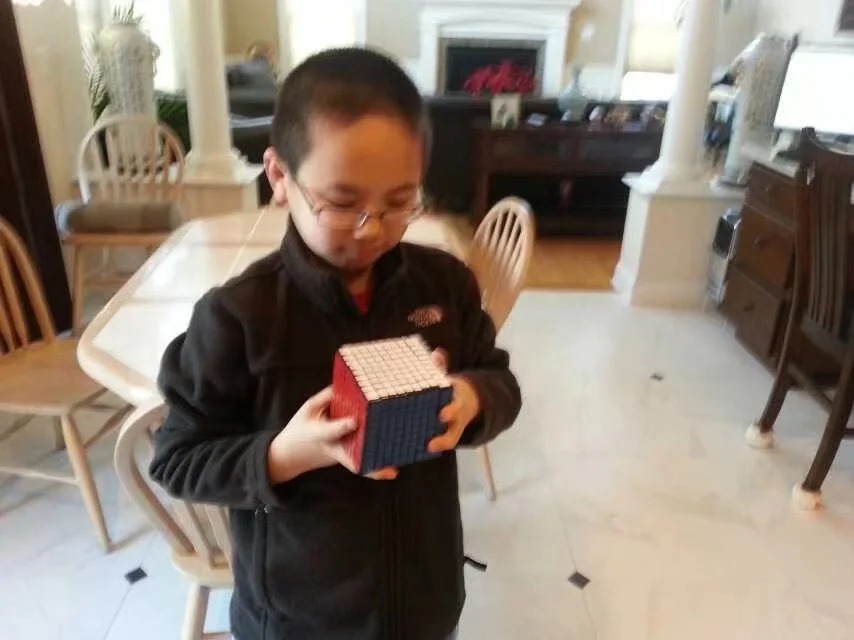
Years ago, Harry's mother Albany discovered Donald's programming articles, especially the Chinese Chess programming series. She immediately decided to support her son's interest seriously. Before lessons even began, she asked which computer would be most suitable, eventually purchasing a MacBook Pro specifically for Harry's programming journey. Harry himself was deeply attracted to mathematics, puzzles, and building things. His collection of unusual Rubik's cubes, including a large 8×8×8 cube, hinted at a mind that enjoyed complexity long before college applications ever appeared. What followed was not test preparation, but years of exploration through Python, C, Java, algorithms, and countless one-on-one sessions.
In January 2022, a debugging session became legendary. A mysterious bug appeared during a card-shuffling program. No matter what they tried, something seemed fundamentally wrong. Eventually they discovered a Stack Overflow discussion: Why does rand() % 7 always return 0? The problem was not Harry. The problem was a subtle interaction between implementation details of a pseudo-random number generator. When the mystery finally unraveled, Harry exclaimed: "What?!" The "Mysterious Seven" became part of his personal mythology.
The lesson of the bug extended far beyond programming. Harry learned that: real problems can survive many attempts computers can behave unexpectedly experts also search, investigate, and debug mistakes are not interruptions of learning but its mechanism The famous Einstein quote sent afterward captured the moment: "A person who never made a mistake never tried anything new." The debugging session became a memory that outlasted many successful assignments.
College admissions are visible outcomes.
Years of curiosity are usually invisible.
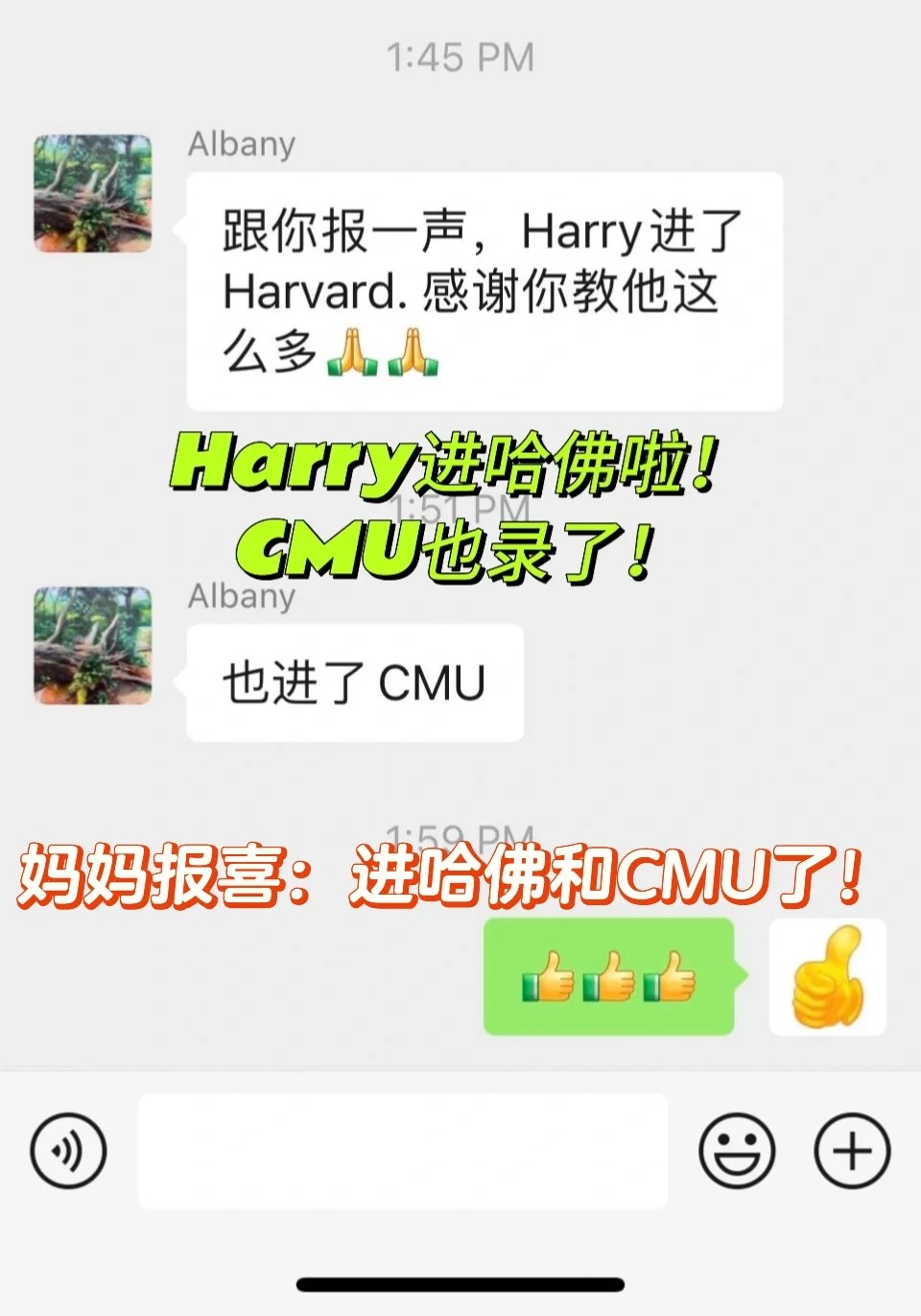
The acceptance letters from Harvard and Carnegie Mellon did not suddenly appear in senior year. They emerged from hundreds of smaller moments:
choosing the right tools parental support difficult bugs unfinished projects persistent experimentation genuine interest
Great educational outcomes often look sudden from the outside.
From the inside, they are accumulated one debugging session at a time.
What Is Possible
☑ Long-term mentorship can shape a student's trajectory.
☑ Programming can become a vehicle for mathematical and intellectual growth.
☑ Small experiences may eventually connect to very large outcomes.
How Does It Happen
☑ Parents invest early and seriously.
☑ Students encounter authentic problems rather than artificial exercises.
☑ Years of curiosity accumulate into expertise.
Why Does It Matter
☑ Success is usually built through invisible experiences.
☑ Failure and debugging are essential parts of growth.
☑ Educational journeys deserve to be measured in years, not weeks.