Living Museum of Learning
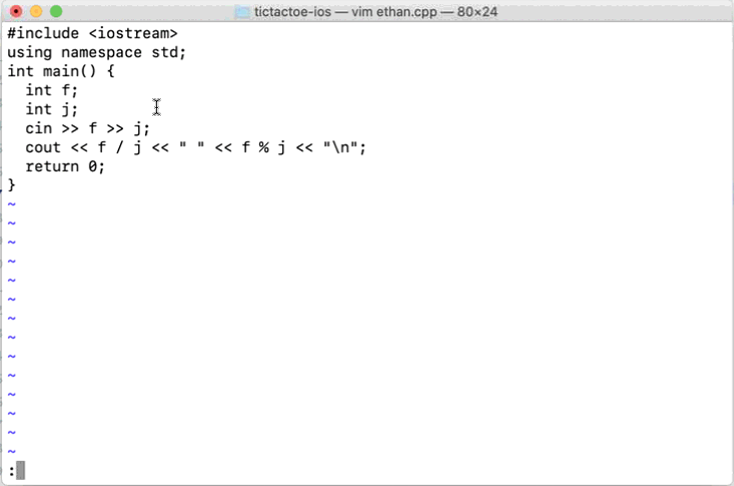
Ethan’s Variables: f and j
In most programming classes, variables are introduced with conventional pairs:
a, b
m, n
x, y
p, q
But Ethan kept doing something different.
He repeatedly used:
f, j
At first glance, it looked random.
When asked why he preferred this unusual pair, Ethan gave a simple answer:
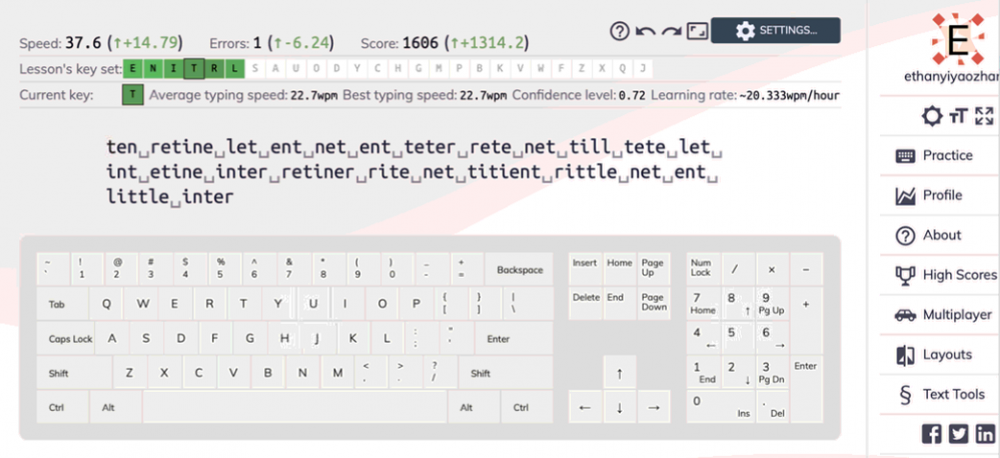
These were the first two keys he learned to type in touch-typing practice.
For him, variables were not abstract symbols.
They were familiar finger memories.
So instead of choosing letters for mathematical meaning, he chose letters for physical ease.
This small detail reveals something important:
For beginners, programming symbols are not yet “mathematical objects.”
They are:
motor patterns
keyboard landmarks
personal shortcuts
embodied memory
Ethan was not being careless.
He was optimizing for fluency in his own system.
We often assume good variable names come from abstraction.
But early learners often do the opposite:
They ground abstraction in physical experience first.
Only later does meaning replace memory.
Ethan’s f and j are a snapshot of that transition point.
Even variable names can reflect a child’s learning history, not just mathematical convention.
Children map abstract symbols onto physical experiences (like typing practice).
Good teaching recognizes that abstraction is built on lived, bodily familiarity—not introduced in isolation.