
Living Museum of Learning
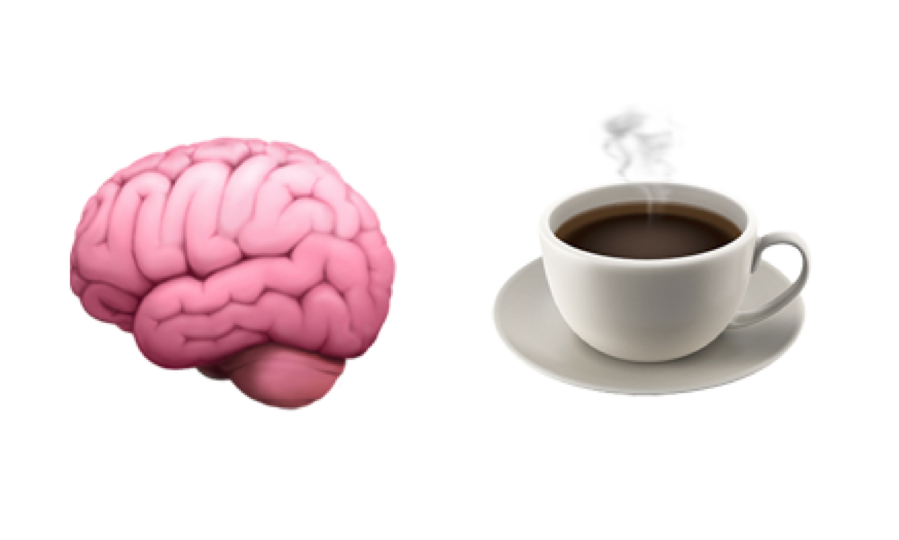
The Day My Migraine Quietly Left
Situation
For nearly forty years, migraine was an unwelcome companion in my life.
I never traveled with painkillers like my brother and sister. When an attack came, I simply lay quietly in bed and waited for it to end.
Over decades, I learned my body's rules. One rule seemed almost absolute: after accumulating a few days of sleep debt, a migraine would inevitably arrive. I trusted that pattern so completely that I never dared challenge it.
Coffee had been part of my daily routine for about ten years. I enjoyed it, never suspected it was related to my migraines, and never imagined that changing this habit would have any effect on them.
Turning Point
About a year ago, a casual conversation with ChatGPT introduced me to an unexpected fact: caffeine constricts certain blood vessels. The idea stayed in the back of my mind, but I continued drinking coffee.
Three months ago, before traveling alone to visit my daughter and granddaughter in California, I decided to stop my daily coffee—not to treat migraines, but simply because I didn't like the feeling of depending on it.
I stopped abruptly.
A mild withdrawal headache appeared for a few hours.
Then it disappeared.
Weeks later, while rescuing old software projects, building MuseCoreStudio, and launching the Living Museum of Learning, I worked late into the night many times.
According to forty years of experience, a migraine should have arrived.
It never did.
Emergence
One day, I suddenly realized that something far more surprising than a missing cup of coffee had happened.
My migraine was gone.
The "sword" that had hung above my head for four decades had quietly disappeared.
Today, after working late, I become sleepy—not painfully incapacitated.
I don't know whether stopping coffee was the cause.
I don't know whether my experience applies to anyone else.
What I do know is that a deeply established pattern in my own life unexpectedly changed.
That observation deserves to be recorded.
Learning
Many important discoveries begin not with certainty, but with careful observation.
This exhibit does not claim that coffee causes migraines or that stopping coffee cures them.
It records a single, well-observed personal experience after four decades of living with migraines.
If it encourages researchers to ask new questions, or helps someone with a similar lifestyle observe patterns they had never considered, then the story has served its purpose.
Sometimes the most valuable experiment is the one we never intended to conduct.
✅ What Is Possible
☑ A lifelong condition may still surprise us. Even after decades, our assumptions about our own bodies may not be the final answer.
✅ How Does It Happen
☑ Careful observation, an unintended lifestyle change, and the willingness to question long-held assumptions can generate new hypotheses worth exploring.
✅ Why Does It Matter
☑ One person's experience is not scientific proof—but it can inspire research, thoughtful self-observation, and conversations that might benefit many others.
This exhibit is not a conclusion. It is an invitation to observe.